Get Drainage Pump Installation
Drainage pump installation services help property owners prevent flooding and water damage by installing pumps for basements, yards, or drainage systems with the help of local contractors.
Property owners considering drainage pump installation often seek practical solutions to manage excess water, prevent flooding, and protect their property’s foundation. Whether addressing issues caused by heavy rainfall, poor drainage, or landscape grading, installing a reliable drainage pump can be an effective way to maintain a dry and stable property environment. Exploring local contractors who specialize in drainage systems allows property owners to find tailored solutions that meet their specific needs.
For those planning drainage projects, comparing options among local service providers ensures access to experienced professionals capable of handling different property layouts and water management challenges. By connecting with trusted contractors in the area, property owners can gather insights and choose the right drainage pump installation services that support their long-term property care and maintenance goals.
- Drainage Pump Installation - needed when property owners require effective removal of excess water from basements or low-lying areas.
- Stormwater Pump Setup - necessary after heavy rainfall causes flooding or water accumulation around a property.
- Sump Pump Replacement - required when existing sump pumps fail to prevent basement flooding or are outdated.
- Effluent Pump Installation - needed for sewage or wastewater systems that require reliable pumping solutions.
- Erosion Control Pumping - essential for managing water flow to prevent soil erosion on construction sites or landscaped areas.
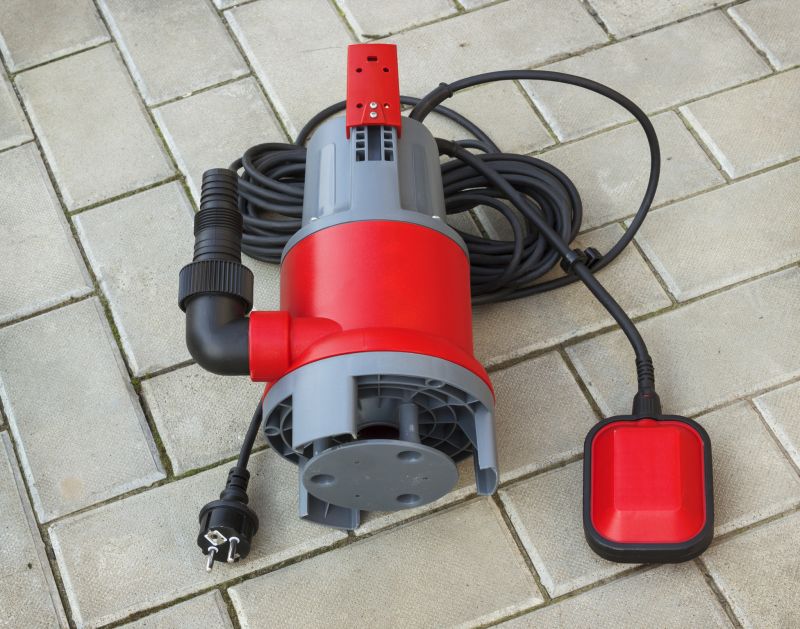
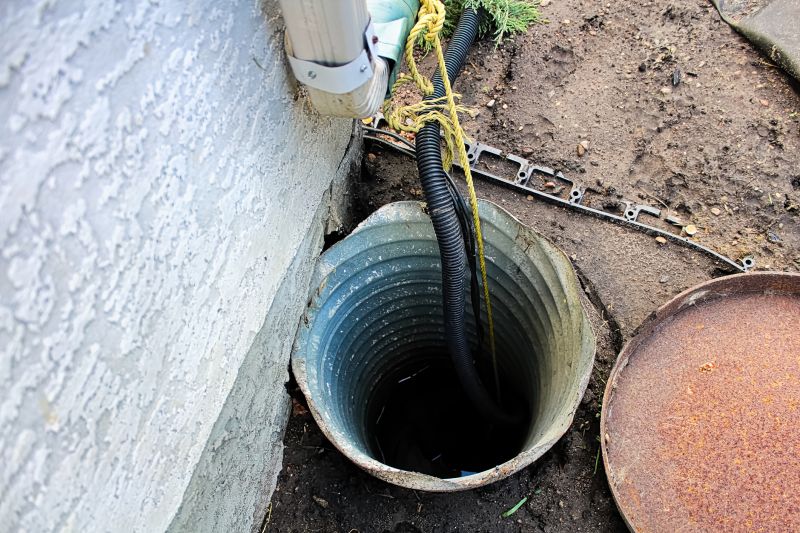
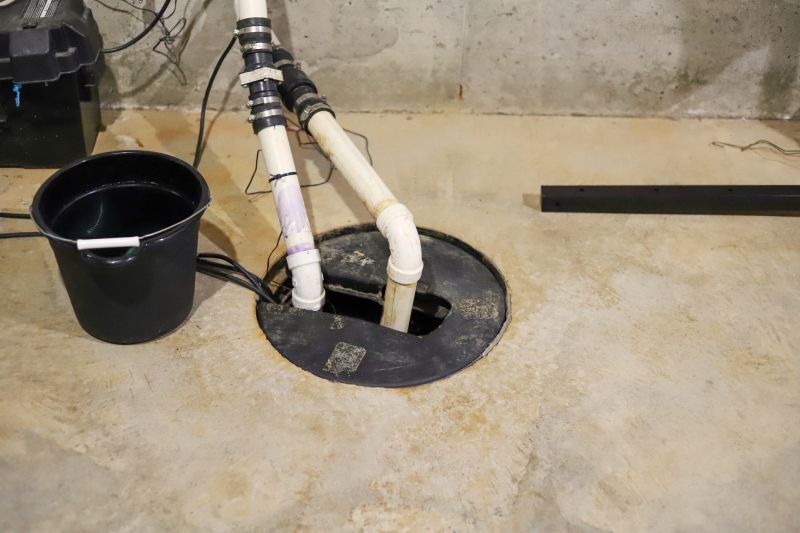
Drainage pump installation services involve setting up specialized equipment designed to move excess water away from a property. This process typically includes assessing the site, selecting the appropriate type of pump, and installing it in a location that effectively manages water flow. Proper installation ensures that water is directed away from foundations, basements, and other vulnerable areas, helping to prevent water accumulation and related damage. Local contractors experienced in drainage systems can handle these installations efficiently, ensuring the equipment functions correctly and reliably.
This service is essential for resolving common drainage problems such as flooding during heavy rains, water pooling in yards or basements, and poor drainage around the property. When water fails to drain properly, it can cause structural issues, mold growth, and landscape erosion. Installing a drainage pump can help mitigate these issues by actively removing excess water, reducing the risk of water-related damage. Homeowners dealing with persistent water accumulation or those preparing for seasons with heavy rainfall often turn to drainage pump installation as an effective solution.
Properties that typically utilize drainage pump installation include residential homes, especially those with basements or low-lying areas prone to flooding. Commercial buildings located in flood-prone zones may also benefit from these systems to protect their infrastructure. Additionally, properties with extensive landscaping, gardens, or outdoor recreational areas that experience water buildup can be improved with proper drainage solutions. Local service providers are skilled at recommending and installing the right type of pump based on the specific needs of each property.
Overall, drainage pump installation services provide a practical way to manage excess water and protect property value. Whether dealing with ongoing drainage issues or preparing for heavy weather, homeowners and property managers can find experienced local contractors ready to handle the installation process. Contacting these professionals can help identify the most suitable drainage solutions, ensuring that water is effectively managed and property integrity is maintained.
The overview below groups typical Drainage Pump Installation projects into broad ranges so you can see how smaller, mid-sized, and larger jobs often compare in your area.
In many markets, a large share of routine jobs stays in the lower and middle ranges, while only a smaller percentage of projects moves into the highest bands when the work is more complex or site conditions are harder than average.
Smaller Repairs - minor drainage pump repairs or replacements typically cost between $250 and $600. Many routine jobs fall within this range, especially for straightforward fixes or part replacements. Larger or more complex repairs can exceed this range but are less common.
Basic Installation - installing a new drainage pump in a standard property usually costs between $1,000 and $2,500. Most local contractors handle these projects within this band, with costs varying based on pump type and site conditions. Larger properties or custom setups may push costs higher.
Full System Replacement - replacing an entire drainage pump system can range from $3,000 to $7,000 or more. Many projects in this category are mid-sized, but more extensive or complex installations, especially in commercial settings, can reach higher costs.
Complex or Custom Projects - highly specialized or large-scale drainage pump installations can cost $10,000 or more. These projects are less common and typically involve custom design, extensive plumbing, or integration with other systems, leading to higher costs.
Actual totals will depend on details like access to the work area, the scope of the project, and the materials selected, so use these as general starting points rather than exact figures.
Septic System Installation - This project requires similar planning, site assessment, and the use of specialized tools to ensure proper drainage and functionality.
Stormwater Management System Setup - Installing systems to manage runoff involves understanding drainage patterns and installing pumps or channels, akin to drainage pump installation.
Sump Pump Replacement - Replacing or installing sump pumps involves similar skills in plumbing, electrical connections, and system testing for effective water removal.
Foundation Drainage Installation - Installing drainage systems around foundations requires precise planning and use of tools to prevent water intrusion and damage.
Water Feature and Fountain Setup - Creating water features involves pump installation and plumbing work, paralleling drainage pump setup in complexity and skills.
Underground Utility Routing - Laying underground pipes and conduits for utilities involves site assessment and careful planning, similar to drainage pump projects.
When evaluating service providers for drainage pump installation, it’s important to consider their experience with similar projects. Homeowners should inquire about the types of drainage systems the contractors have worked on and whether they have handled projects comparable in scope and complexity. An experienced local contractor will typically have a solid understanding of the specific challenges that can arise during installation and be better equipped to recommend effective solutions based on past work. This background can provide confidence that the chosen professional understands the nuances of drainage systems and can deliver results that meet the home's needs.
Clear written expectations are a key factor in choosing a reliable contractor. Homeowners should seek detailed descriptions of the services to be provided, including the scope of work, materials used, and any warranties or guarantees offered. Having these details documented helps prevent misunderstandings and ensures both parties are aligned on project goals. A reputable local service provider will be transparent about what the project entails and be willing to communicate openly about the process, helping to establish a foundation of trust and clarity from the outset.
Reputation and communication are essential when comparing local pros for drainage pump installation. Homeowners can ask for references from previous clients or look for reviews that highlight the contractor’s professionalism and reliability. Good communication involves timely responses to inquiries, willingness to answer questions, and providing updates throughout the project. Choosing a service provider known for professionalism and clear communication can make the entire process smoother and more predictable, giving homeowners greater confidence in their decision. It’s important to remember that this site introduces homeowners to local options and does not perform the work itself, so thorough research and direct contact are recommended.
Property owners use Drainage Pump Installation services for practical projects around their homes and businesses. This guide focuses on everyday jobs and straightforward project options.
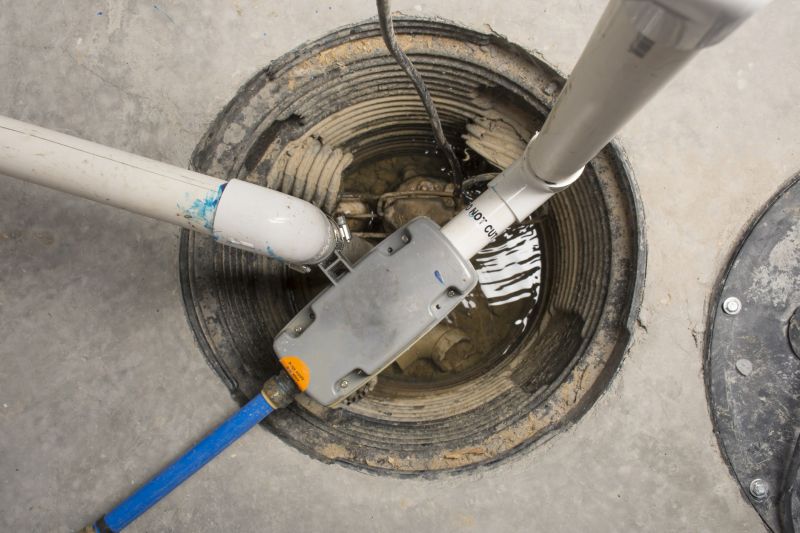
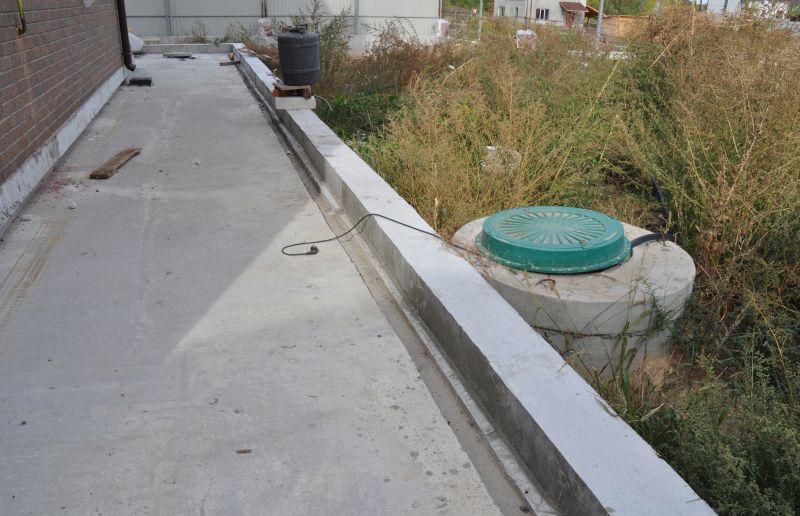
Drainage pump installation services are often needed when property owners experience persistent flooding or water accumulation around their homes and businesses. Heavy rainfall, poor drainage systems, or changes to the landscape can lead to standing water that threatens the integrity of a property. Local contractors who specialize in drainage solutions can help install reliable pumps to manage excess water, reducing the risk of water damage and maintaining a safer, drier environment.
In addition, property owners might seek drainage pump installation when upgrading existing drainage systems or addressing issues caused by clogged or outdated infrastructure. Whether installing new pumps to improve water flow or replacing old equipment, local service providers can assist with the necessary work to ensure proper water management. These professionals are familiar with common drainage challenges in the area and can recommend effective solutions tailored to specific property needs.
What types of drainage pumps do local contractors install? Local contractors typically install various types of drainage pumps, including sump pumps, effluent pumps, and sewage pumps, depending on the specific drainage needs of the property.
How do I know if a drainage pump installation is necessary? A drainage pump installation may be needed if there is persistent flooding, poor drainage, or water accumulation issues in the basement or yard that cannot be managed with grading alone.
What factors should be considered when choosing a drainage pump? Factors include the volume of water to be moved, the height the water needs to be lifted, the type of water (clean or wastewater), and the space available for installation.
Can local service providers handle both residential and commercial drainage pump installations? Yes, many local contractors are experienced in installing drainage pumps for both residential and commercial properties, ensuring appropriate solutions for each.
What maintenance is required after a drainage pump is installed? Regular inspection and cleaning of the pump and its components are recommended to ensure proper operation, along with checking for any signs of wear or damage.
Prevent Basement Flooding - Installing a drainage pump can help protect a basement from water accumulation during heavy rains or storms.
Improve Yard Drainage - Proper drainage pump setup can redirect excess water away from walkways and garden areas to prevent pooling.
Manage Pool or Spa Water - Local contractors can install drainage pumps to efficiently remove excess water from pools or spas after use or storms.
Address Sump Pump Failures - Service providers can install or replace sump pumps to ensure effective removal of groundwater and prevent interior flooding.
If you are thinking about Drainage Pump Installation for a property, this guide is meant to help you understand the work, the typical project types, and how different options might fit your plans.
When you are ready, you can use the quote form on this page to share a few details about your project. From there, local pros can review the basics and respond with options that match what you have in mind.